

Vegan Protein Smoothie Bowls and Snack Bars: What it means for Consumers and Brands
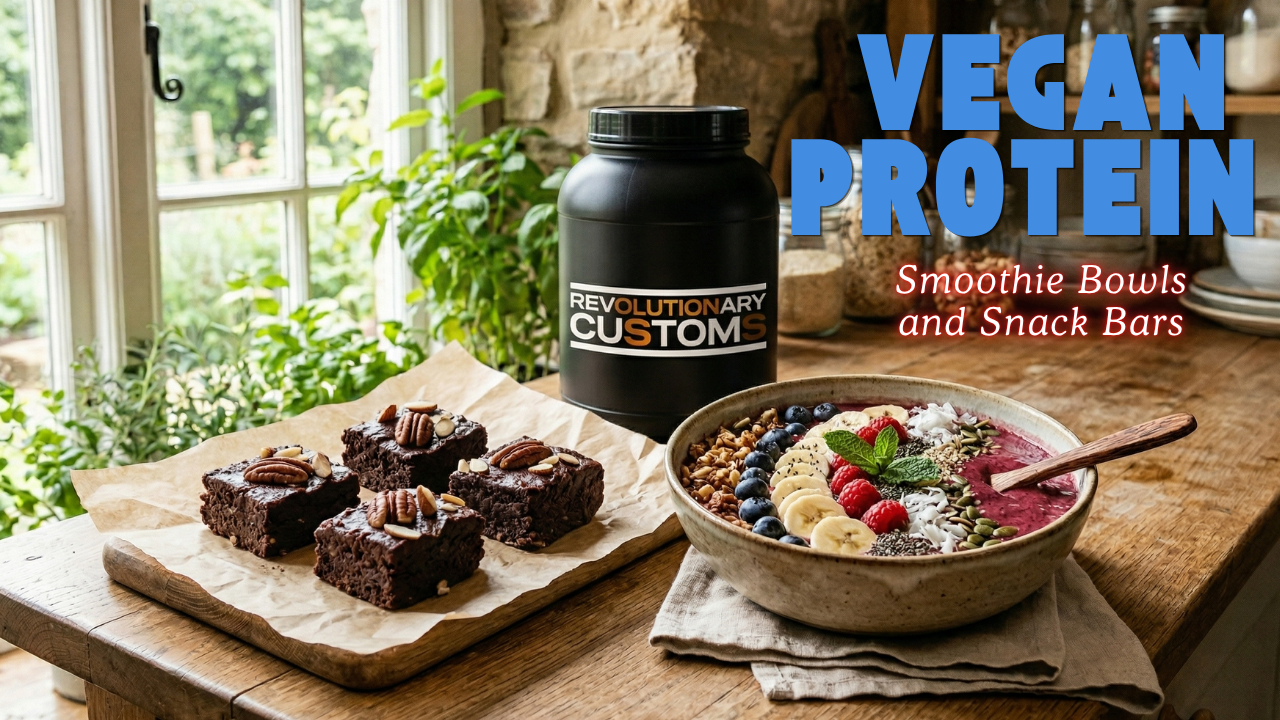
The snack aisle is undergoing a massive transformation. Just a decade ago, finding a dairy-free protein bar meant visiting a specialty health food store and settling for a chalky, flavorless brick. Today, the market is overflowing with delicious, innovative plant-based snack bars. The rise of vegan protein and energy bars is no longer just a niche trend; it is a fundamental shift in how we approach on-the-go nutrition.
Whether driven by personal health goals, environmental ethics, or savvy business strategy, plant-based snacking is here to stay. But what exactly is fueling this explosive growth? In this comprehensive guide, we will explore the profound advantages of vegan snack and protein bars from both sides of the checkout counter: the consumers who eat them and the manufacturers who make them.
Part 1: Why Consumers Are Choosing Vegan Protein Bars
For the everyday consumer, reaching for a vegan energy bar offers benefits that extend far beyond simply omitting animal products. From gut health to environmental impact, here is why shoppers are making the switch.
1. Superior Digestive Health and Comfort
Eliminates Bloating: Replaces dairy-based whey and casein to prevent the heavy, bloated feeling common with traditional protein bars.
Lactose-Free: Provides a safe, comfortable option for the significant percentage of the global population with dairy sensitivities or lactose intolerance.
Highly Bioavailable Proteins: Utilizes easily digestible plant sources like pea, brown rice, hemp, and pumpkin seed.
Comfortable Recovery: Delivers a crucial protein hit for athletes and busy professionals without causing sluggishness or digestive discomfort.
2. Heart Health and Clean Energy
Zero Dietary Cholesterol: Naturally free of the cholesterol found in animal-derived ingredients, supporting cardiovascular health.
Lower Saturated Fats: Contains significantly fewer saturated fats compared to traditional dairy-based counterparts.
Whole-Food Ingredients: Relies on complex carbohydrates and healthy fats from nuts and seeds rather than refined, artificial sugars.
Sustained Energy: Provides a slow, steady release of energy, avoiding the rapid sugar spike and subsequent crash associated with candy-like protein bars.
3. Unbeatable Fiber Content
Combats Dietary Deficiencies: Helps bridge the nutritional gap in the standard Western diet, which is notoriously deficient in dietary fiber.
Promotes Gut Health: Built from plant sources like almonds, chia seeds, gluten-free oats, and legumes that nourish a healthy gut microbiome.
Stable Blood Sugar: Aids in maintaining steady glucose levels throughout the day for improved mood and focus.
Sustained Satiety: Keeps consumers feeling fuller for much longer, serving as an excellent, convenient tool for healthy weight management.
4. Nutrient Density and Superfood Power
Beyond Basic Macros: Formulated with nutrient-dense, functional ingredients rather than just isolated macro-nutrients.
Antioxidant Rich: Frequently features powerful "superfoods" like flaxseeds, spirulina, maca root, and cacao nibs.
Essential Vitamins and Minerals: Delivers a rich profile of naturally occurring trace minerals to support overall wellness and immune function.
Anti-Inflammatory Benefits: Packed with plant-based omega-3 fatty acids that actively aid in post-workout muscle recovery.
5. Ethical and Environmental Alignment
Lower Greenhouse Gas Emissions: Produces a significantly smaller carbon footprint compared to the intensive processes of whey and dairy farming.
Resource Efficiency: Requires substantially less land and water to produce high-quality plant-based proteins.
100% Cruelty-Free: Guarantees ethically motivated consumers that no animals were exploited, confined, or harmed in the creation of the product.
Consumer Alignment: Appeals directly to modern, environmentally conscious shoppers who prefer to "vote with their wallets."
6. Ultimate Inclusivity and Convenience
The "Safe Choice": Perfect for diverse group settings, including office pantries, youth sports events, or group travel.
Broad Dietary Appeal: Caters simultaneously to vegans, vegetarians, flexitarians, and the lactose-intolerant without requiring separate options.
Allergen-Friendly Formulations: Many plant-based bars are additionally certified gluten-free and soy-free, checking almost every possible dietary box.
On-the-Go Values: Offers the exact same portable convenience as traditional bars while allowing consumers to effortlessly maintain their ethical and dietary standards.
Part 2: The Business Case: Advantages for Manufacturers
It is not just health-conscious shoppers driving this trend. For food and beverage companies, introducing or transitioning to vegan snack bars is a highly strategic, data-driven business move.
1. Capturing the Lucrative "Flexitarian" Market
Beyond the Vegan Niche: Targets the massive demographic of omnivores consciously reducing meat and dairy, rather than just the single-digit vegan population.
Expanded Total Addressable Market (TAM): Instantly broadens the potential customer base and opens up new, lucrative revenue streams.
Future-Proofing the Brand: Aligns corporate strategy with long-term consumer paradigm shifts led by Gen Z and Millennials.
Sustainable Purchasing Habits: Capitalizes on a permanent market evolution and lifestyle change rather than a fleeting dietary fad.
2. Boosting Brand Image and Achieving ESG Goals
Meets Corporate Social Responsibility (CSR): Satisfies the growing ethical and environmental demands of both modern investors and conscious consumers.
Achieves ESG Targets: Directly lowers the overall corporate carbon and water footprints through highly efficient plant-based production.
Forward-Thinking Perception: Positions the brand as innovative, health-conscious, modern, and environmentally responsible.
Fierce Brand Loyalty: Builds strong, lasting emotional connections with younger, highly engaged, and vocal consumer demographics.
3. Favorable Economics and Premium Pricing
The "Health Halo" Premium: Consumers have historically shown a willingness to pay more for high-quality, ethically sourced, and sustainable products.
Higher Profit Margins: Premium retail price points allow manufacturers to achieve better financial margins per unit sold.
Supply Chain Stability: Avoids the massive price swings of the notoriously volatile dairy commodity market (which dictates whey and casein pricing).
Predictable Ingredient Costs: Baseline plant ingredients like oats, peas, and soy offer more stable, reliable pricing models when purchased at scale.
4. Enhanced Supply Chain and Production Safety
Lower Pathogen Risks: Significantly reduces the risk of harboring severe foodborne pathogens (like specific Salmonella or E. coli strains) compared to handling raw dairy or eggs.
Simplified Food Safety: Streamlines HACCP protocols and often results in end-products with longer, more stable shelf lives.
Stable Whey Alternatives: Plant-based proteins like pea and soy isolate serve as highly functional, scalable alternatives to whey protein, offering comparable amino acid profiles without the inherent volatility and temperature-sensitivity of dairy processing.
Reduced Cross-Contamination Costs: Eliminates the severe risks and massive cleaning expenses associated with dairy and egg changeover protocols.
Dedicated Allergen-Free Facilities: Allows for specialized production lines that streamline the manufacturing process and increase consumer safety guarantees.
Conclusion
The evolution of the snack bar aisle is a perfect reflection of changing global priorities. Vegan protein and snack bars represent a rare win-win in the food industry. For consumers, they deliver clean, easily digestible nutrition, environmental peace of mind, and unparalleled convenience. For manufacturers, they unlock new, rapidly expanding consumer demographics, stabilize supply chains, and bolster brand reputation.
As ingredient technology continues to improve—yielding even better textures and flavors—the dominance of the plant-based snack bar is only just beginning. Whether you are a consumer looking for a cleaner post-workout recovery option, or a brand looking to innovate, the future of snacking is undoubtedly plant-based.
[Start Growing Your Brand. Schedule a Discovery Call with Our Team]
[or Email info@revolutionarycustoms.co if you have further questions]
